
Yoruba Korean Connection?
- Dr. Chi
- Apr 30
- 3 min read

By Chinyere Osuji aka Dr. Chi
I was watching a performance by the Korean band called Sangjaru. They play Korean fusion, mixing traditional instruments with contemporary ones. I watched the performance on a very snowy evening from the comfort of my community room with two of my neighbors. As I was watching the performance, my friend, a native Korean, explained the names of the different traditional instruments to me. The one that stood out the most to me was a double-sided drum called the janggo.
“Janggo?? “I replied. That's the name of a Yoruba god! Shango!”

I've come across many iterations of this Yoruba cultural influence, whether it is the name of a Brazilian (Xangó) or Cuban (Shangó) deity, a name of a US Black man (Django), or a Nicaraguan term for a monkey (chango), places touched by West Africans often have the term in some form or another.
But I was familiar with a drum just like it. When I took a class at UCLA from Professor Francisco Aguabella, a renowned Afro-Cuban percussionist, I played a drum very similar to the jjango. It is the batá, which just so happens to be the drum associated with the Yoruba deity, Shango.
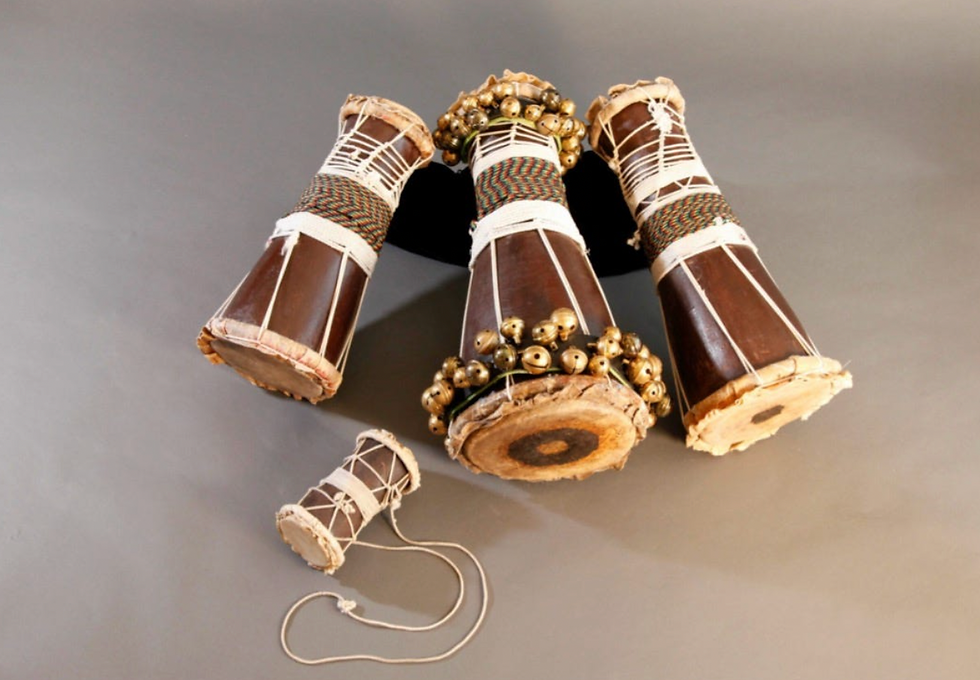
Coincidence? I think not!
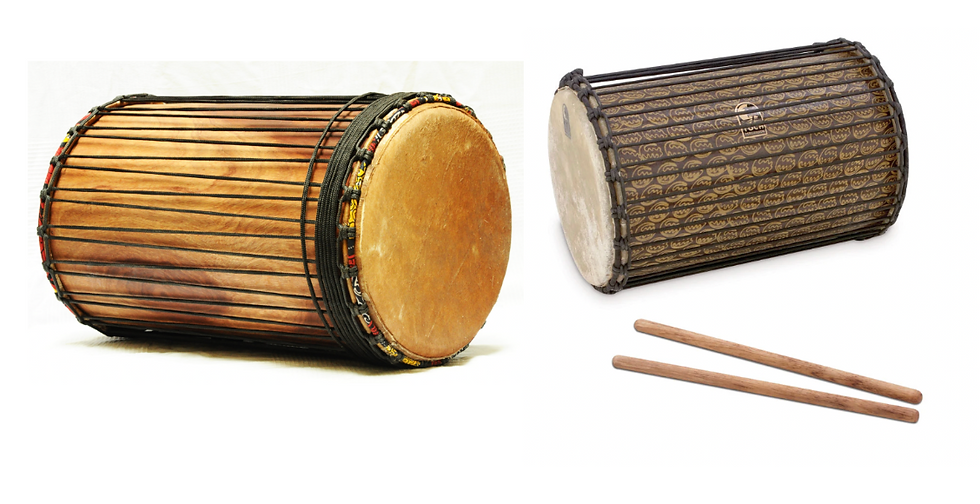
There are many similar West African drums. In the Korean tradition, you play the jjango with sticks. I have seen many, many drummers play on the side with sticks in a similar manner. This includes the talking stick, known for its varying tones and sounds that mimic a human voice.
The janggo is very central to Korean traditional culture. It's often used in ceremonies, rituals, and celebrations. A quick Google search shows that it symbolizes harmony, bringing people together. Its existence predates the presence of the Portuguese and is recorded in ancient Korea. This suggests that Africans brought their drum to Korea at an earlier period that has not yet been recognized widely. Or perhaps it had a different name until the Portuguese arrived and lent a lot of words to the peninsula, including pão (bread) and irmão (brother).
In The Nigerian context, the batá drum has a long tradition of being played in rituals and ceremonies to recognize the god, Shango, the deity associated with thunder and power. What is more thunderous and powerful than beating a drum?
Watching Korean dramas, I have occasionally seen shamans performing rituals, and groups of people dancing in a spirited manner. I recognize that this form of religious practice is common all around the world. I have seen it in Afro-Brazilian religious practices like Candomblé, which is based on a fusion of different religious traditions. When I have seen actors imitating group shamanistic practices, it reminds me of when Black Americans “catch the spirit” in church.
I think it's wild how the things that are seen as very traditional to one society often have clear roots in other places. For example, without rice from West Africa, there would be no Puerto Rican arroz con gandules (rice with pigeon peas). Without chili peppers from the Americas, there would be no Nigerian joloff or Korean kimchi.
The janggo drum, perhaps the drum of Shangó, shows how the migration of people and global trade have always been instrumental to the foundation of many cultures and traditions. It reminds us that we are all a part of one human family. It also forces us to never to forget Africa as a birthplace of humanity and its many contributions to the world.


Comments